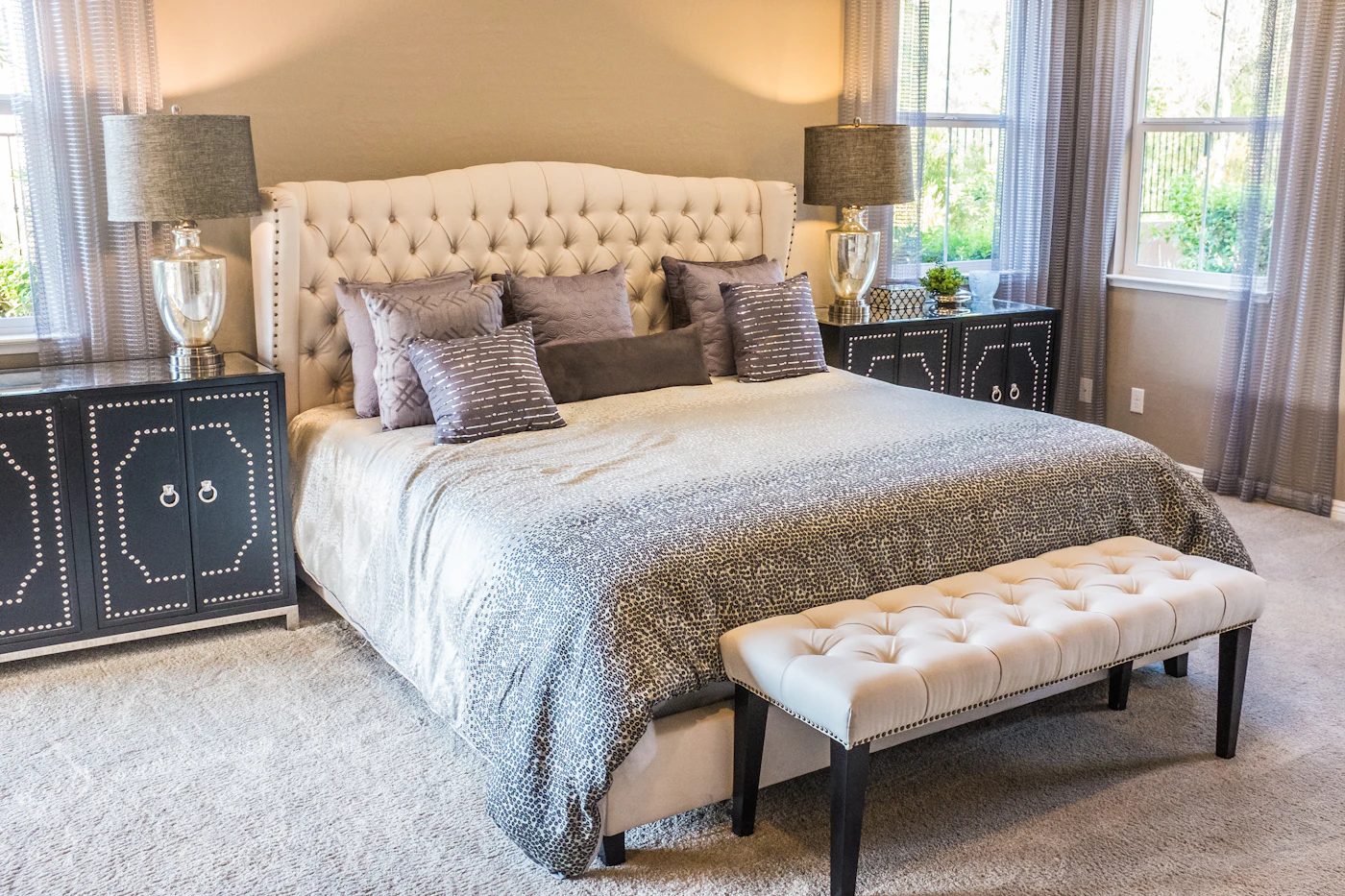
Sleep is accompanied by a predictable temperature rhythm. Core temperature falls by roughly one degree Celsius across the night, while heat moves toward the skin. A bedroom, partner, or mattress that makes heat harder to release can leave you staring at the ceiling without knowing why.
This rhythm is well established in sleep research. Core temperature usually begins declining about two hours before your habitual bedtime and reaches its lowest point in the early morning. The change works alongside light, hormones, and sleep pressure to help the brain move into and maintain sleep.
The Thermoregulation Problem
Your body sheds heat primarily through the skin. In bed, large areas stay close to bedding and the mattress for hours. Materials that hold heat can make that natural cooling process harder, especially for hot sleepers.
Dense foams tend to move heat slowly. Cooling covers and gel layers may change how the surface first feels, but comfort through the night also depends on whether heat can keep moving away from the body.
Why “Make the Room Colder” Is Not the Answer
A cooler room can help, but ambient air is only one part of the sleep environment. The surface touching your back may still feel warm while an uncovered shoulder feels cold. That mismatch is familiar to anyone who has flipped the pillow repeatedly or pushed the covers away at 2 a.m.
Active temperature regulation works at the sleep surface, where heat builds up. It can cool or warm the bed directly instead of asking one thermostat setting to suit the room, the mattress, and two different sleepers.
What Active Cooling Actually Changes
When thermal conditions stay comfortably stable, sleep research points to three areas that may benefit:
- Sleep onset can feel easier. Releasing heat supports the temperature decline that normally accompanies the transition into sleep.
- N3 sleep may be less fragmented. Slow-wave sleep is temperature-sensitive, and excess warmth can make this deep stage less continuous.
- Temperature-related awakenings may be reduced. Keeping the bed within a comfortable range removes one common source of overnight disruption.
These are sleep-thermoregulation mechanisms, not published results from HoneySleep. Product-specific changes in sleep onset, stages, or awakenings require controlled testing.
Dual-Zone Matters More Than You Think
Couples sleep on the same mattress but rarely need the same temperature. One person runs hot. The other runs cold. One is entering menopause and experiencing hot flashes. The other is not. A single temperature setting for the whole bed is a compromise that satisfies neither person.
Independent temperature zones mean each side gets what it needs. The system learns each person’s rhythm separately because it is running separate sensors and separate cooling circuits. Your partner’s temperature preference does not affect yours. For couples with mismatched temperature needs, that can be the difference between sleeping together and sleeping in separate rooms.
The Privacy Angle
Temperature data sounds intimate, and it is. Knowing your body’s thermal rhythm is knowing when you fall asleep, when you wake up, and how deeply you rest in between. That data should not live on a server you do not control.
Edge AI changes the equation. The processing happens on the hub under your bed, not in a data center. Your temperature rhythm stays local by default. You can opt into sharing it for research, for your doctor, or for your own curiosity, but the default is silence. No subscription. No cloud. No data leaving your bedroom.
What This Means for How You Sleep
You cannot think your way into better sleep. Sleep is physiological. It obeys physics and biology, not willpower. If your sleeping surface is working against your body’s natural temperature drop, you can meditate for an hour and still lie awake. Fix the surface, and the rest of the equation becomes easier.
The technology exists. The question is whether the thing you sleep on uses it, or just looks good in a photograph.
Temperature is not a comfort detail added after the fact. It is one of the pathways through which the body enters and maintains sleep.